
Enhancing the current design of an off-road stretcher to improve user experience and expand its reach to a larger population.
MIT D-Lab class
D-Lab: Design (2.722J / EC.720) - Spring 2026
Team
- Kayode Dada - Mechanical Engineering, MIT 2027
- Ruben Stephen - Mechanical Engineering with a concentration in Robotics, MIT 2027
- Michelle Lam - Mechanical Engineering with a concentration in Product Design, MIT 2027
- Pauline Vien - Mechanical Engineering, MIT 2027
- Marco Arias - Mechanical Engineering with a concentration in Design and Manufacturing, MIT 2026
Community partners
Local Community Partners:
- REACH, Maddie Johnson and Michela Galazzi, Co-Founders
South Africa Community Partners:
- Public Health Education, Liaison and Advocacy (PHELA) Foundation - Lebo Molete
- Shonaquip Social Enterprise
Project location
Langa, South Africa
Problem statement
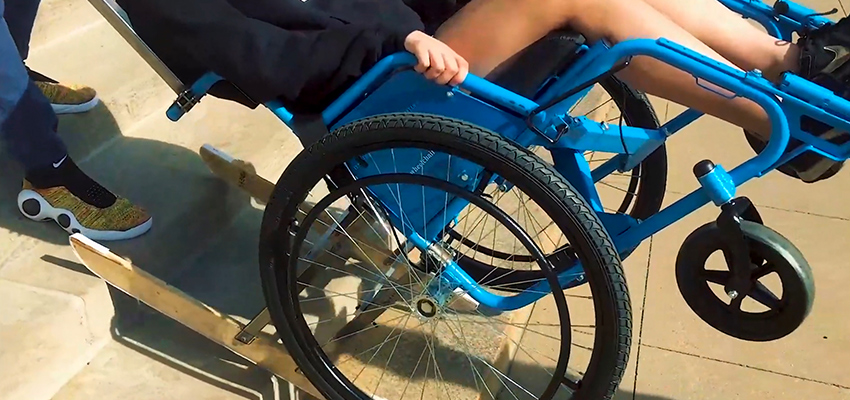
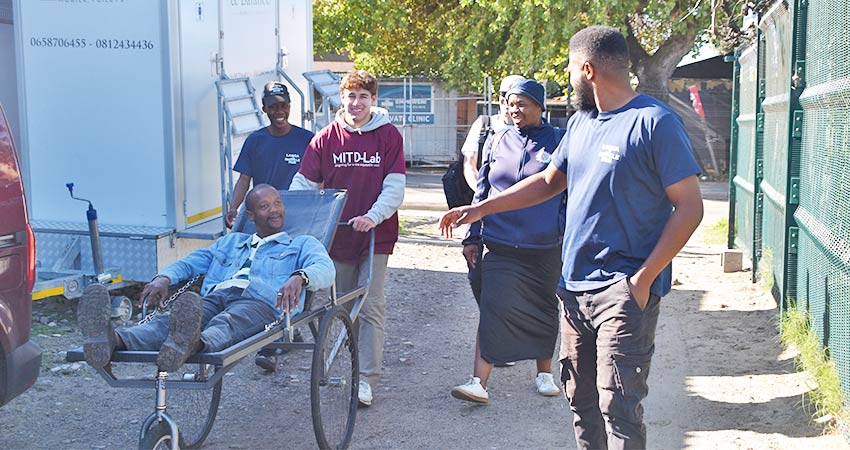
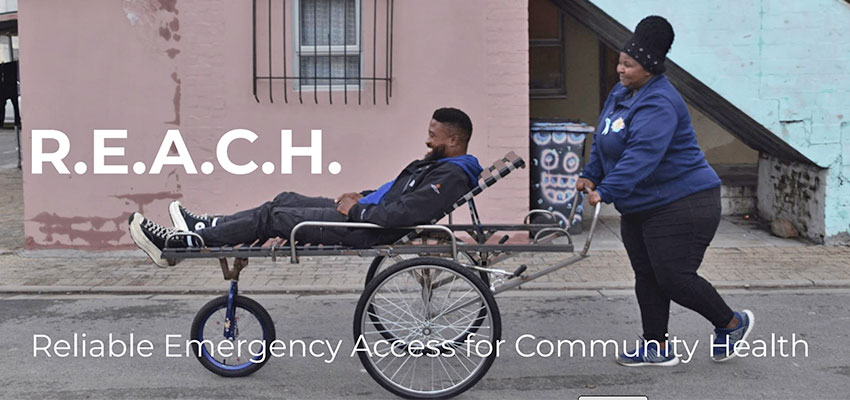
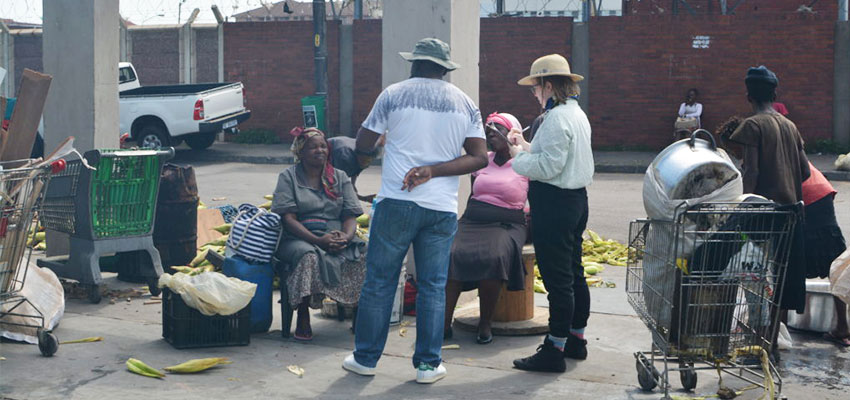
In Johannesburg, South Africa, the public health system struggles to serve the entire population due to limited infrastructure. Narrow streets, congested highways, and uneven terrain often make it difficult, or even impossible, for ambulances to reach patients in need. To help address this challenge, previous students working on the project designed and iterated on a mobile stretcher that allows volunteers to safely and efficiently transport patients over long distances.
Feedback from recent deployments highlighted several areas for improvement, including a mechanism for bicycle attachment and better shade for passengers. Our goal was to develop an updated design that integrates these improvements while minimizing additional weight and maintaining ease of repair with locally available resources.
Cultural context
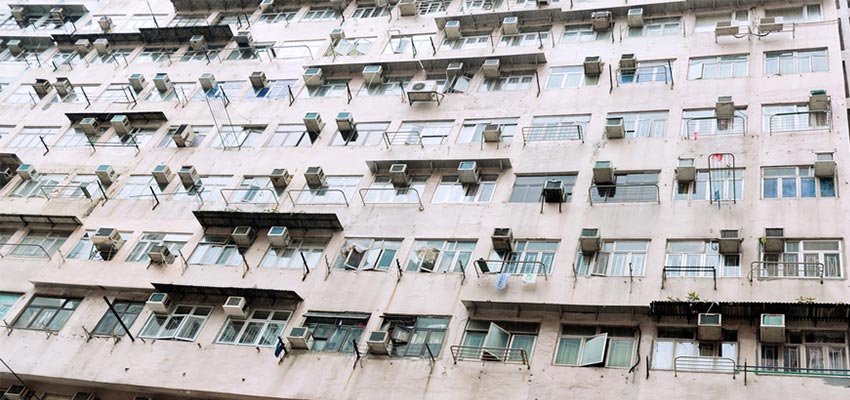
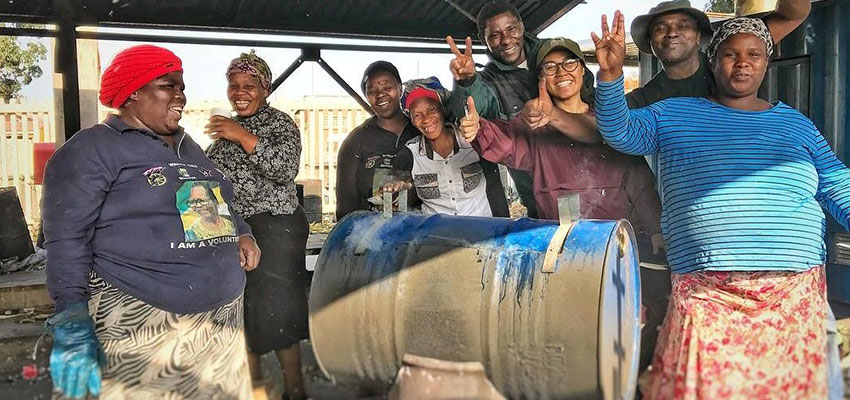
In Langa, a high-density township near Cape T own, the geography of emergency care is a race against both infrastructure and the elements. Narrow streets and rough terrain frequently stall standard ambulances, leaving patients stranded. T o bridge this gap, local volunteers have stepped up to transport patients by hand. Given the high temperatures in the area, additional weather protection for patients is vital.
Proposed solution
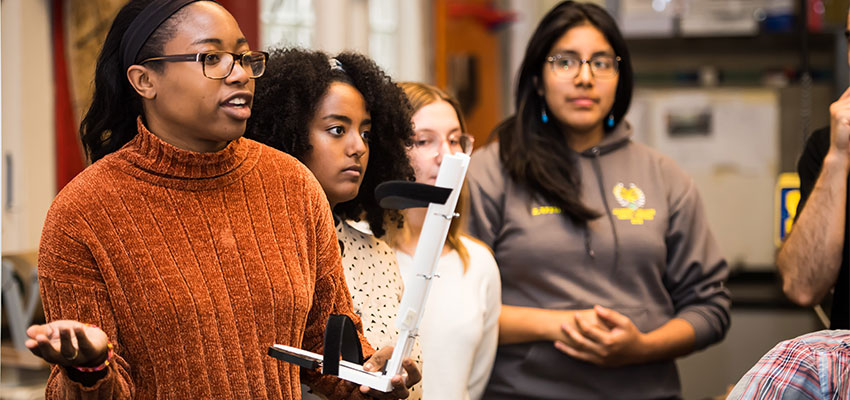
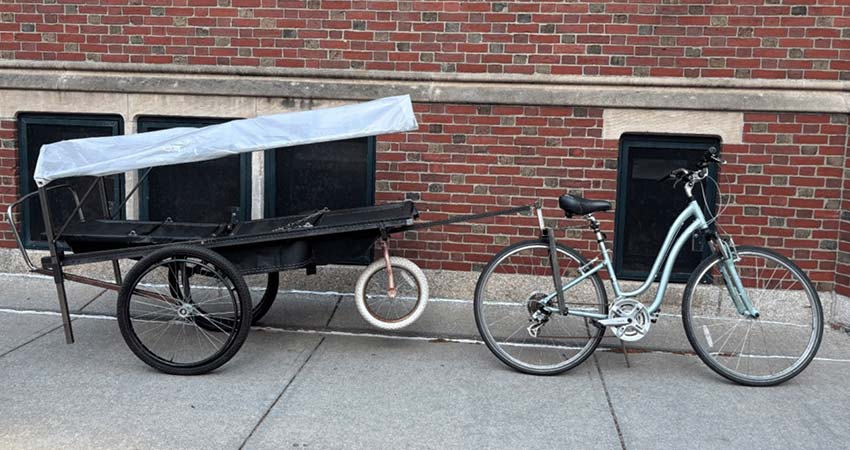
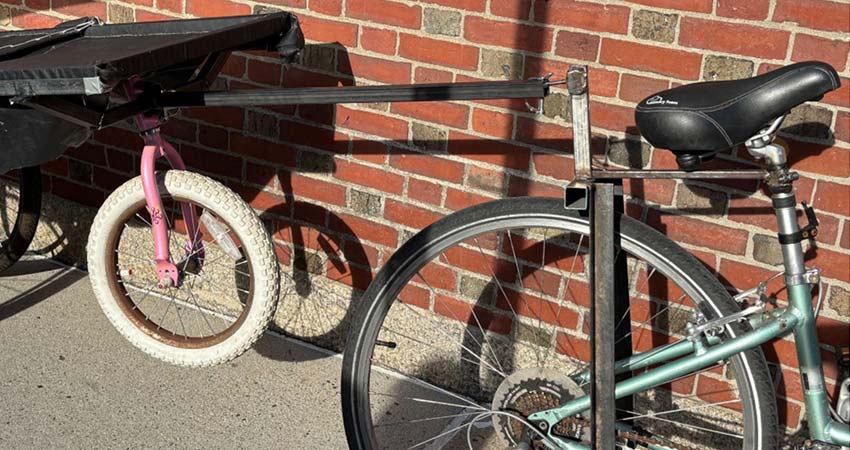
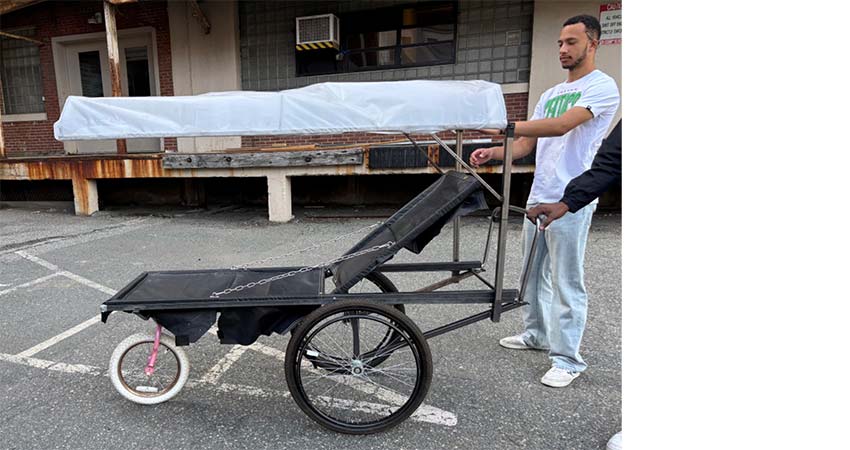
Given the current design of the stretcher that has been in use in South Africa, our design focused on adding a bike attachment and shade structure without drastically changing the overall design. For our bike attachment, we created a truss that secures to a bike frame with a ball joint that connects a rod to the front of the stretcher. This attachment creates 3 points of contact with the bike, ensuring that the stretcher is fully supported while being towed. For the shade structure, we created a canopy that slots into two square steel tubes to remain secure at a height that allows volunteers to see through it. It can also be moved to a lower height for ease of transportation.
Next steps
Going forward, we are looking to test our design changes in South Africa to see how volunteers interact with it and see if the proposed solutions are beneficial to them. A team will be on-site to help make any quick changes or recommendations for the design given feedback from users.
Contact
Kayode Dada, Team Member
Michelle Lam, Team Member
Ruben Stephen, Team Member
Maddie Johnson, REACH Co-Founder