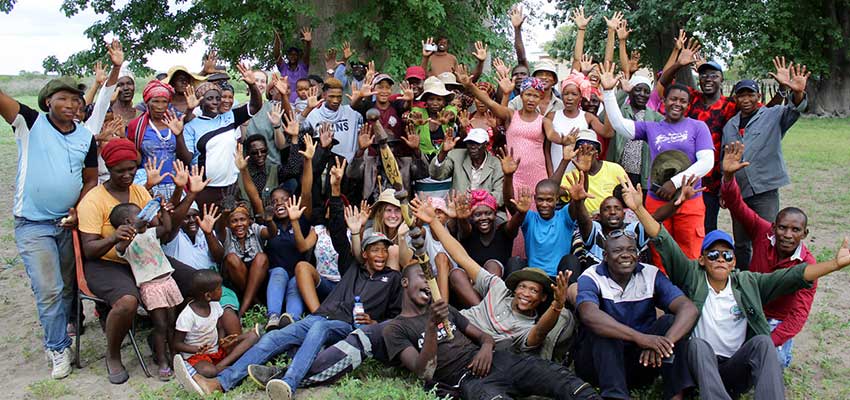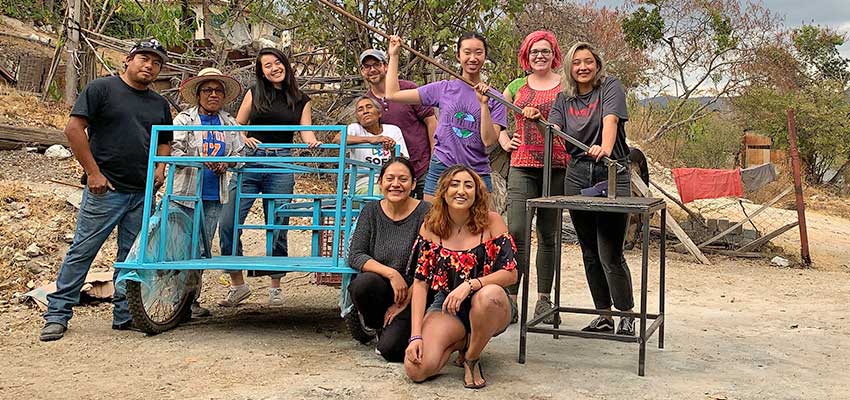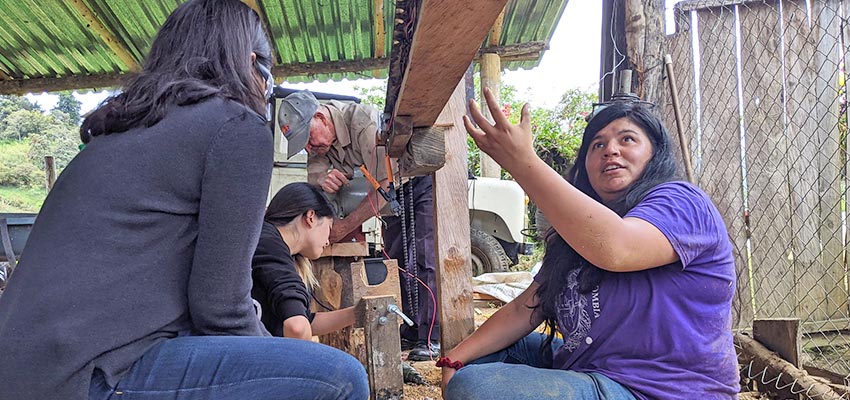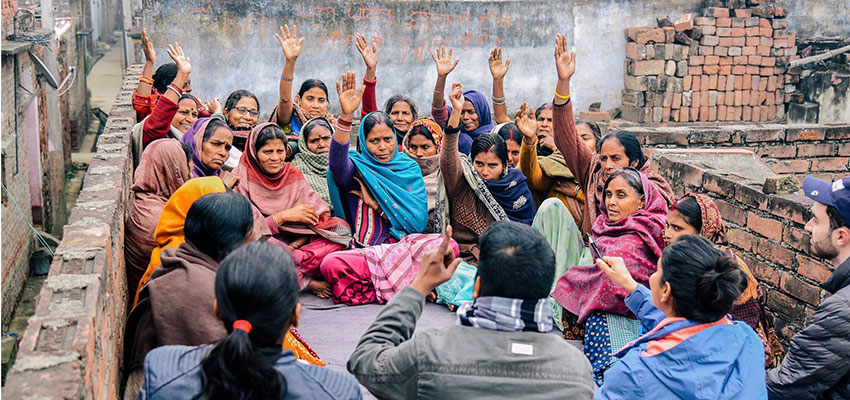

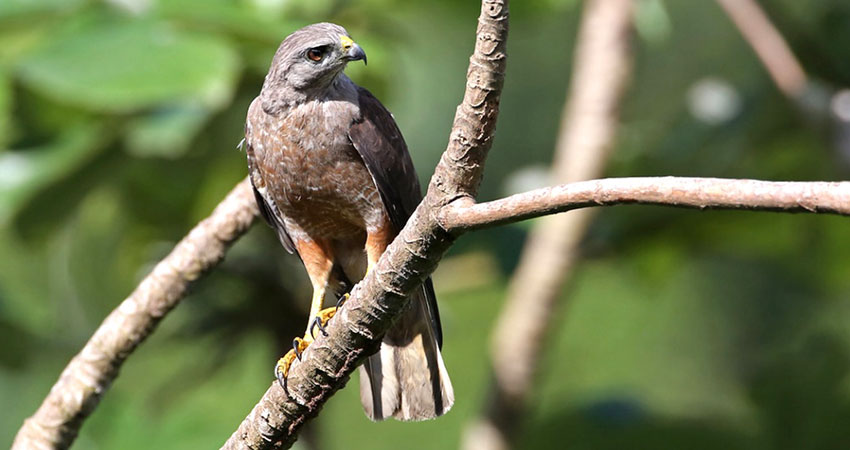
Collaborating with local communities in the Dominican Republic and the Peregrine Fund in order to conserve and repopulate the local Ridgway’s hawk population, as well as promote responsible stewardship of local ecosystems.
MIT D-Lab Class
D-Lab: Development - Fall 2025
Country
Dominican Republic
Team
- Emily Canales - MIT ’26. Emily studies Urban Planning & Studies at MIT with a focused interest in transportation planning and data visualization. For this project, she focused on exploring how to balance farmers’ interests with conservation interests.
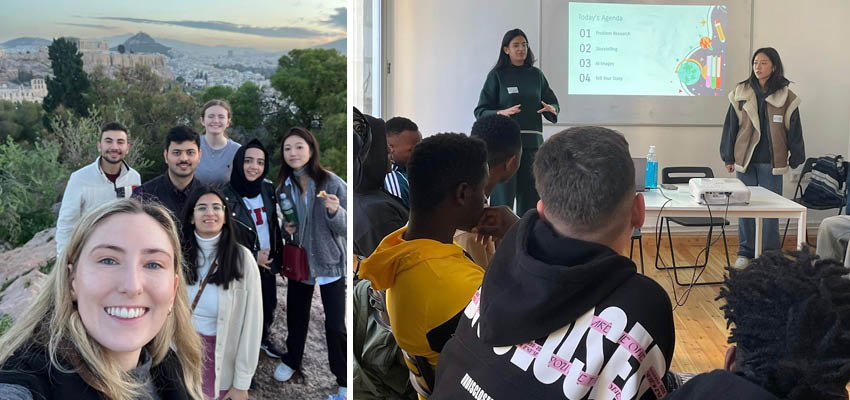
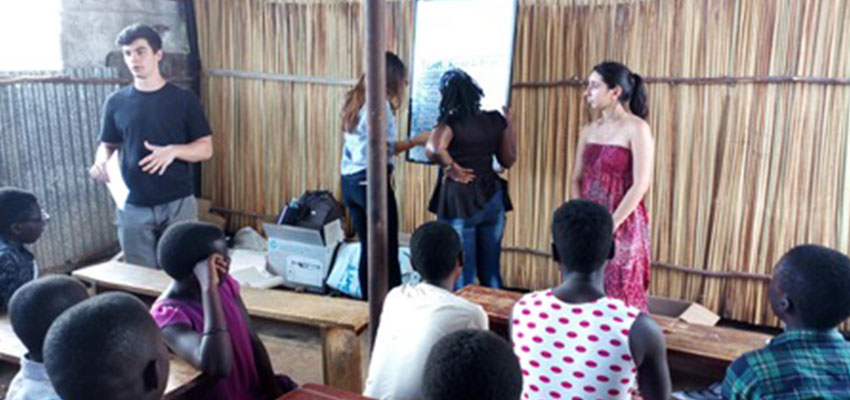
- Jasmine (Jiayu) Chen - Wellesley College ’27. Jasmine studies Environmental Studies and Data Science, and she specifically focused on designing and implementing co-design workshops with children in this project.
- Erika Chung – Harvard ’26. Erika studies Economics, and on this project, worked with Jasmine to design and implement co-design workshops with children.
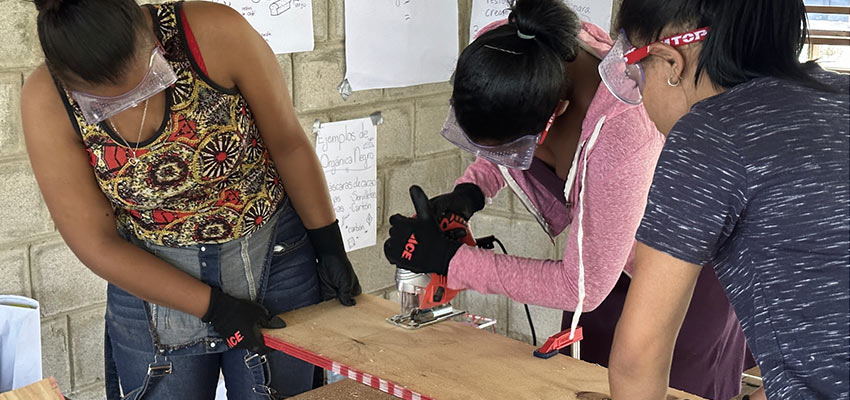
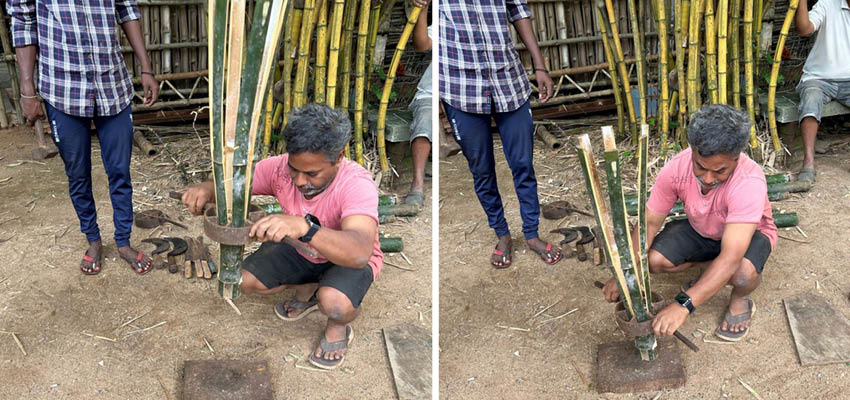
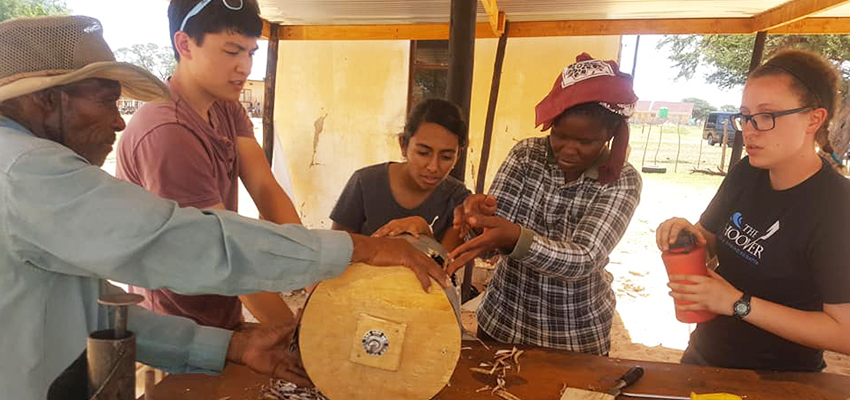
- Jelly (Angelica) Knudsen - MIT ’26. Jelly studies Mechanical Engineering with a focus on energy conversion engineering; on this project, they’re focused on iterating on the fumigation pole to help fight off fleas harming Ridgway’s hawk chicks.
- Robert Chondro - MIT ’29. Robert studies Computer Science and Mathematics; he worked on improving the fumigation pole, and did research on the integration of generative AI in workshops without dampening creativity.
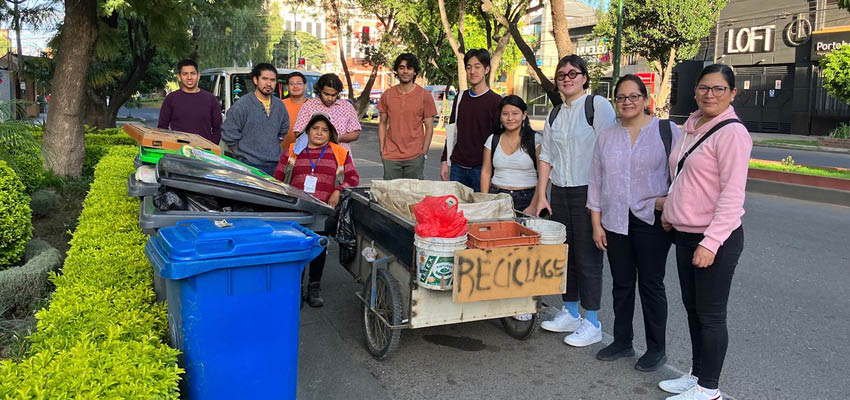
- Andraye Salazar - MIT ’28. Andraye studies Civil and Environmental Engineering at MIT; on this project, he focused on waste management systems and how waste interacts with hawk populations and the local environment.
Partner organizations and additional contributors
- The Peregrine Fund: Ridgway’s Hawk Conservation, Marta Curti and Gabriela Diaz
- Libby Hsu, MIT D-Lab (team mentor)
Problem
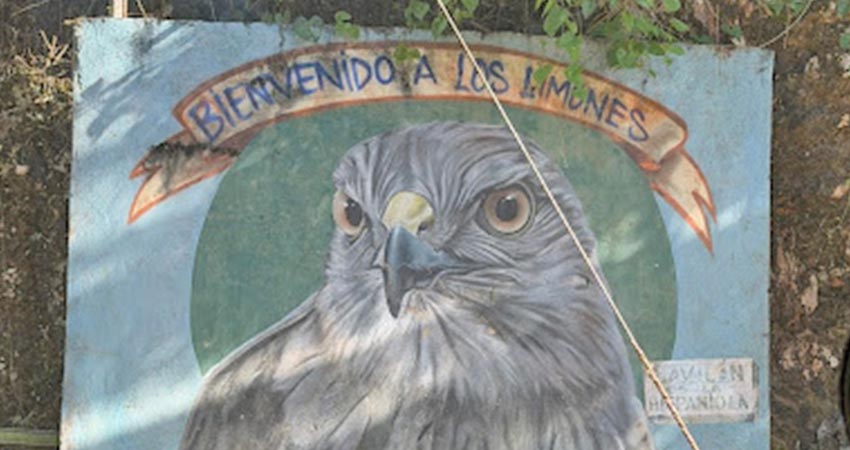
The Ridgway’s hawk is found in the Los Haitises National Park and other small areas of the Dominican Republic. However, its range was once much more widespread, being found across the entire island of Hispaniola, in both the Dominican Republic and Haiti. According to our partners in the Peregrine Fund (https://peregrinefund.org/ridgways-hawk-project), the hawk is critically endangered, being threatened by habitat loss, botfly infestations, as well as hunters and other human threats.
Cultural context
In rural areas such as those around Los Haitises National Park, agriculture is the predominant industry. As such, many locals are invested in the protection of their farms from animals and environmental threats. This sometimes leads to conflicts between farmers and the hawks, who often nest near human settlements; sometimes, they attack farmers and their livestock. Furthermore, the Dominican Republic has long had problems with deforestation, poor waste management systems, and lackluster environmental protections—though the latter have improved in recent years—and more work needs to be done to clean up the environment and mend past damage. In particular, environmental education and awareness still needs to be expanded.
Theory of change
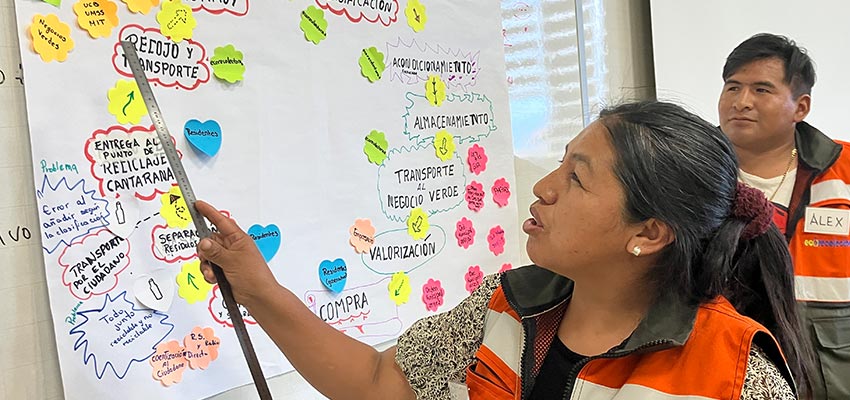
By running co-design workshops, we will leverage local expertise and collaborate with local communities to create systems and other solutions to promote sustainable stewardship of local ecosystems and natural resources. By creating these solutions, and by expanding environmental awareness, we will be able to promote a sustainable system that successfully mitigates human impacts on the environment, promotes fruitful human-hawk relationships, and addresses issues faced by community members.
Proposed solution
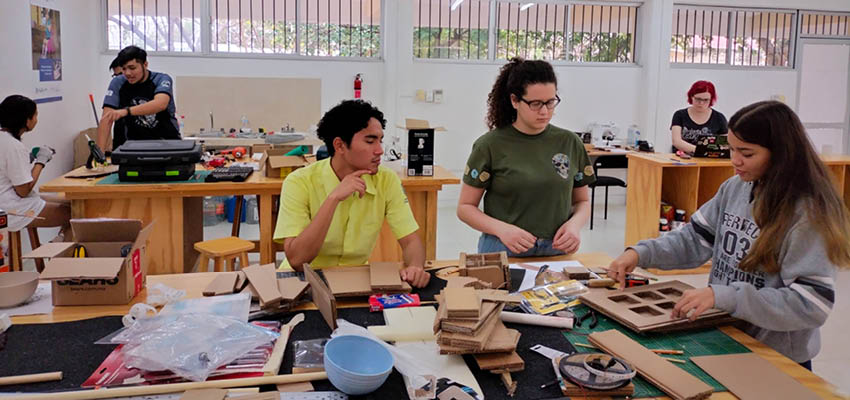
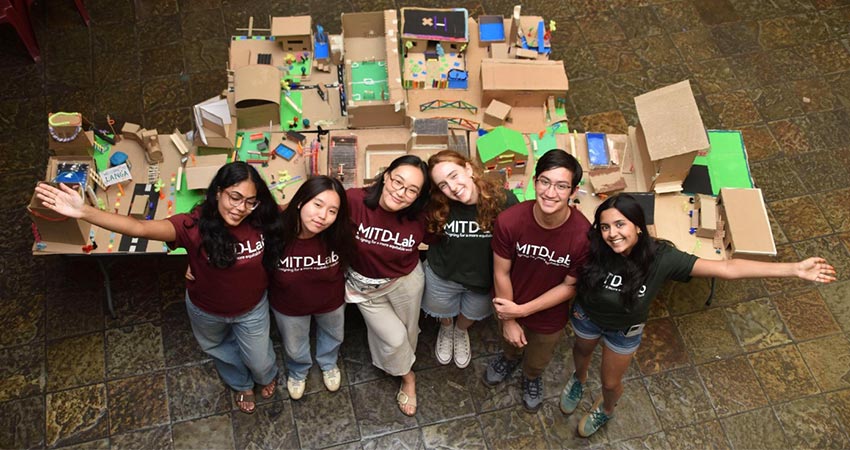
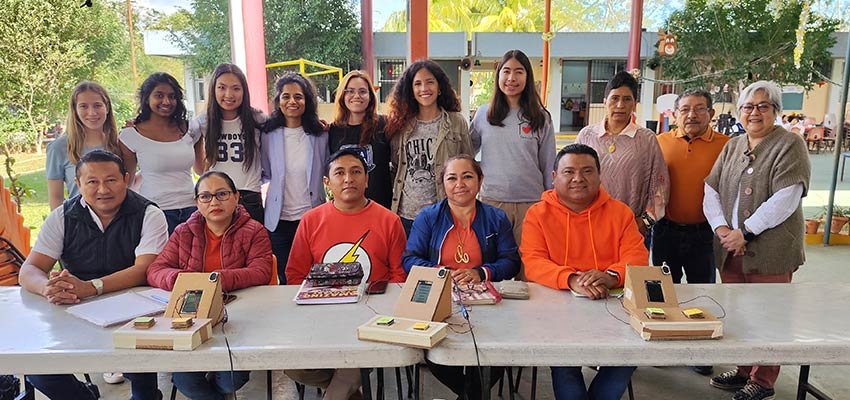
We continue upon the work done by previous D-Lab classes, directly expanding on work done previously to create a fumigation pole to address botfly infestations (Improved fumigation pole | MIT D-Lab), and a previous co-design workshop (Wings of harmony: Co-creating solutions in Los Limones | MIT D-Lab). We will check on the effectiveness of the solutions left behind by previous classes, and take appropriate actions from there in collaboration with partners and community members. We will conduct more co-design workshops to further improve environmental awareness as well as address more community challenges. In particular, we are looking to find ways to incorporate kids—who were often present in previous co-design workshops but without specific programming to include them—in co-design workshops. We are also investigating methods of productively including generative AI without precluding the creative design process in the wake of the increasing popularity of generative AI tools like ChatGPT. Lastly, we are interested in collaboratively designing sustainable waste management systems in tandem with the local community.
Next steps
We hope to continue forging strong bonds with local communities and our partners, receiving continued updates on the solutions set up during our time in the Dominican Republic, as well as on the state of the Ridgway’s hawk population. In the future, D-Lab can act upon this feedback and begin new projects to further refine our work.
Contact
Libby Hsu, Lecturer; MIT D-Lab Associate Director of Academics