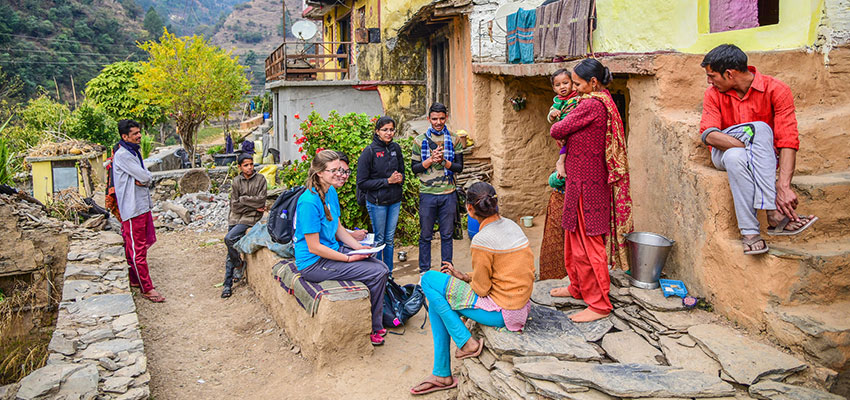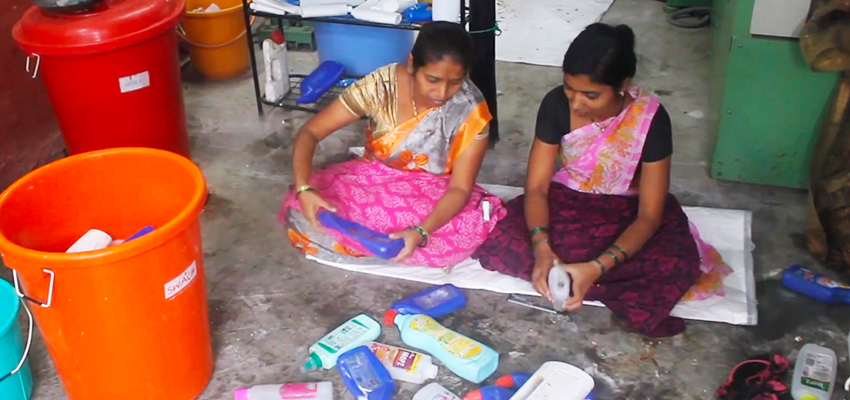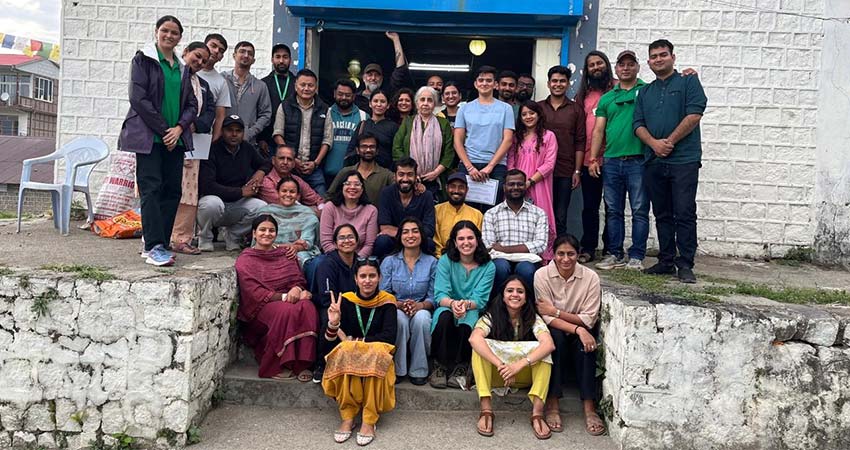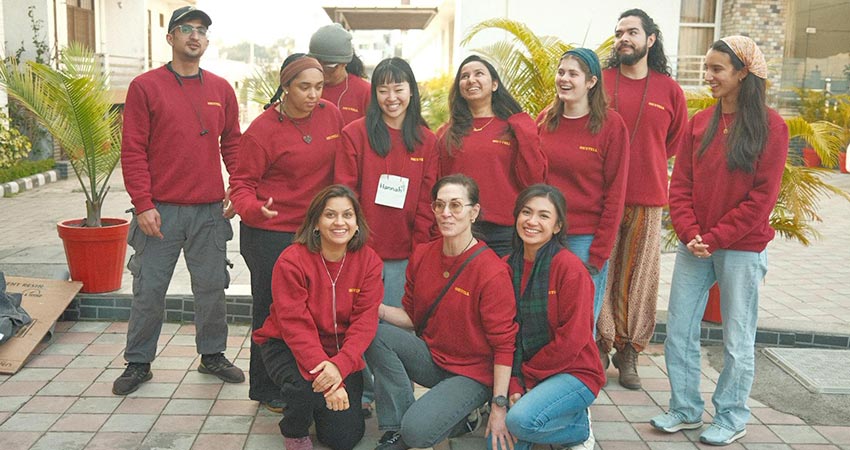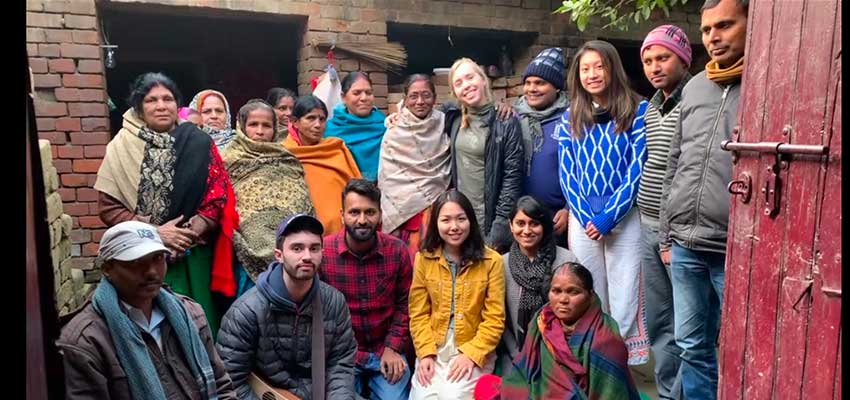

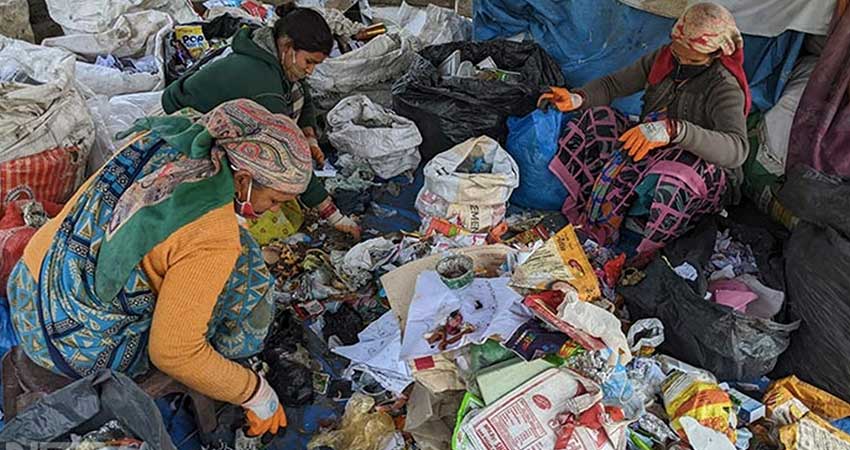
Working with informal waste pickers in Uttarakhand, India, to improve income opportunities through waste management and promote zero-waste practices and behaviors in the region.
MIT D-Lab Class
D-Lab: Development - Fall 2025
Country
India
Team
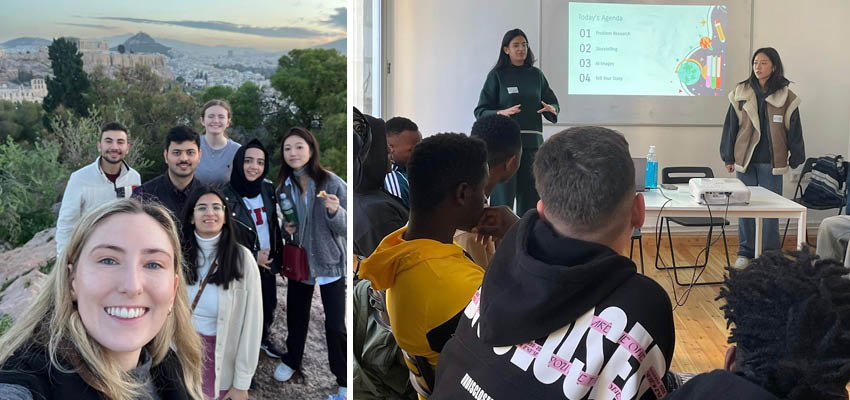
- Ethan Suresh, MIT 2027. Ethan is a junior majoring in Physics.
- Celestina Pint, MIT 2027. Celestina is a junior majoring in Materials Science and Engineering with a minor in Environment and Sustainability.
- Ruchee Bhatta, MIT 2026. Ruchee is a senior majoring in Economics.
- Cinta Nurindah Sari, Harvard Medical School 2026. Cinta is a second-year Master of Medical Sciences in Global Health Delivery candidate.
- Design Team Facilitators: Alex Freese (Diversa), Honey Bajaj (D-Lab alum)
Community partners
- Royal Enfield
- University of Petroleum and Energy Studies (UPES)
- Waste Warriors (Waste Warriors)
Cultural context
India, with a population of over 1.4 billion, is a land of immense cultural diversity and rich traditions. The Indian state of Uttarakhand stands out for its breathtaking Himalayan landscapes, deep cultural heritage, and spiritual significance. Known as Devbhumi (translated to the “Land of the Gods”), it is home to famous religious sites like Kedarnath, Badrinath, Haridwar, and Rishikesh, which attract pilgrims and travelers from around the world. Cities such as Dehradun, Mussoorie, and Nainital, with their scenic beauty and pleasant climates, make Uttarakhand a major destination for both domestic and international tourists.
Problem driving the project
The large influx of tourism in Uttarakhand and the Indian Himalayas generates a significant amount of waste, particularly single-use plastics. Due to a lack of sufficient waste management pipelines and practices, such as segregating waste where it is created (source segregation), it is often not profitable to sort, process, and recycle this waste, presenting an economic challenge. Discarded waste is openly burned, clogs rivers, and builds up in municipal areas and pilgrimage routes, creating health and sanitation challenges as well as threatening the delicate Himalayan ecosystem. Overall, many local communities are not equipped to handle the new kinds of waste created by tourism and mass consumerism.
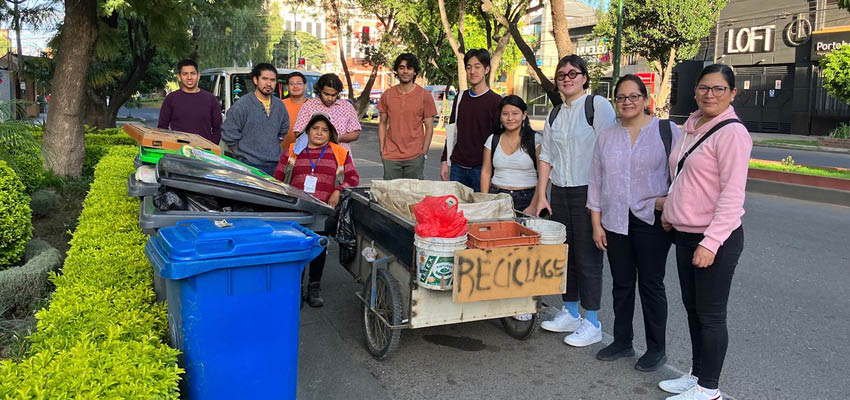
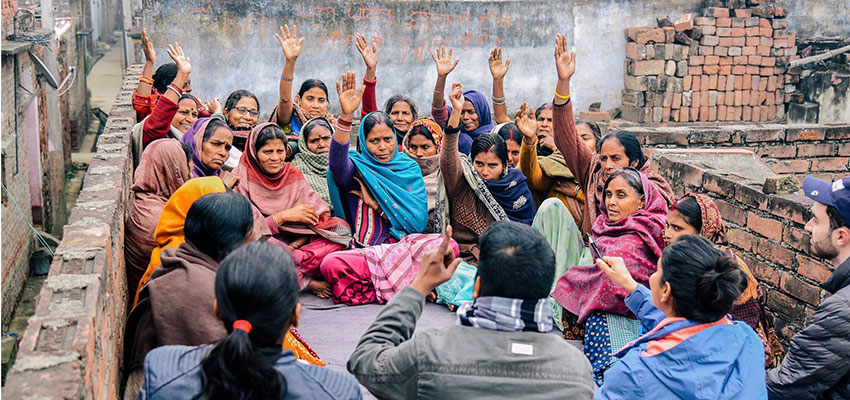
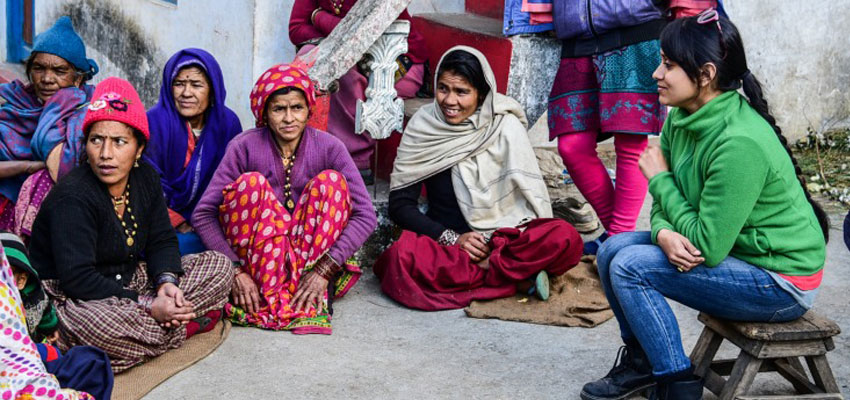
Informal waste sector workers play a major role in waste management in these regions. However, waste pickers from indigenous communities or low castes are often neglected and marginalized, facing low wages, poor safety equipment, and hazardous working conditions.
Theory of change
We aim to strengthen circular economy ecosystems in the Indian Himalayas by conducting research to understand the barriers and enablers of effective zero-waste practices and by using CCB to co-create waste management technologies that provide income opportunities for informal sector workers and move the region toward zero waste.
Proposed solution
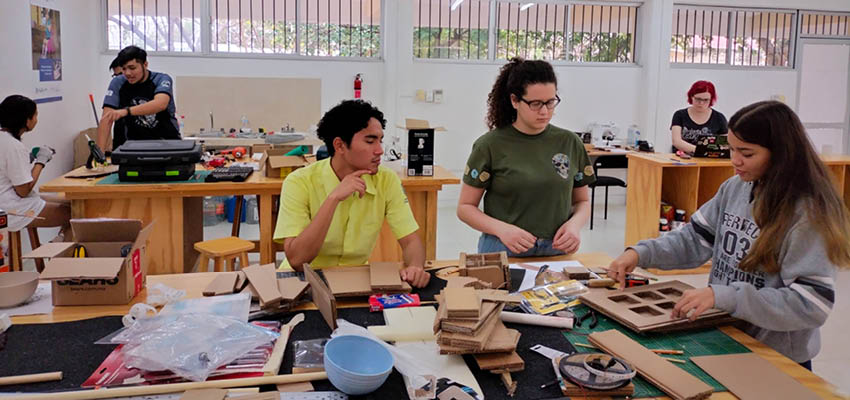
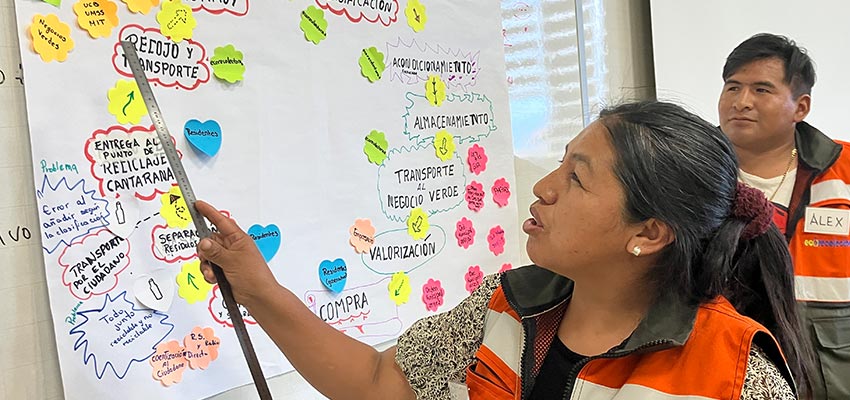
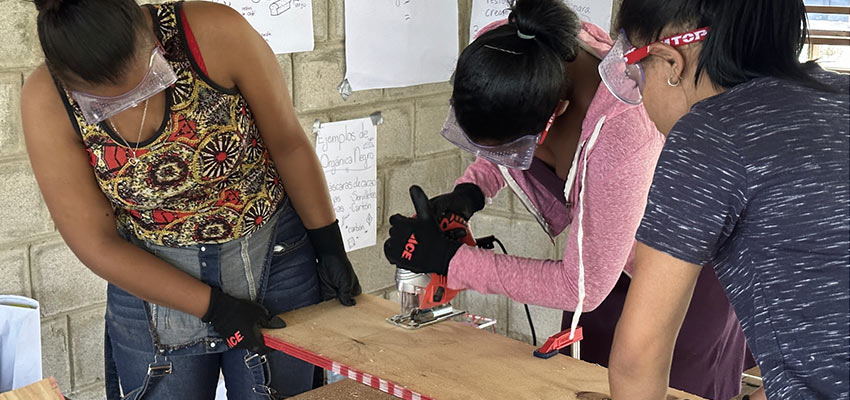
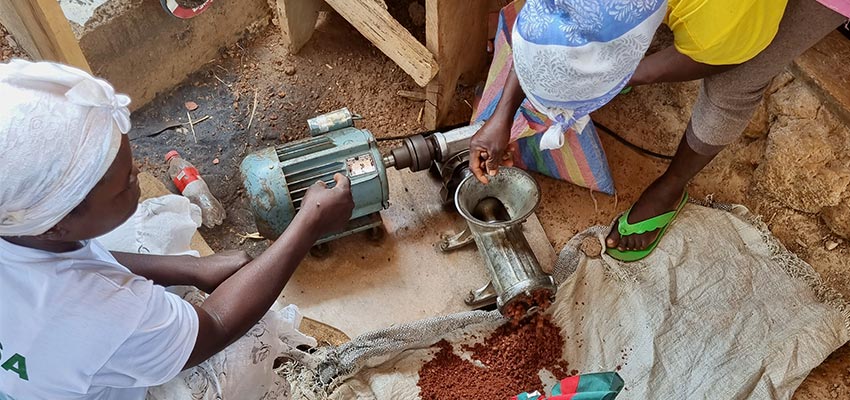
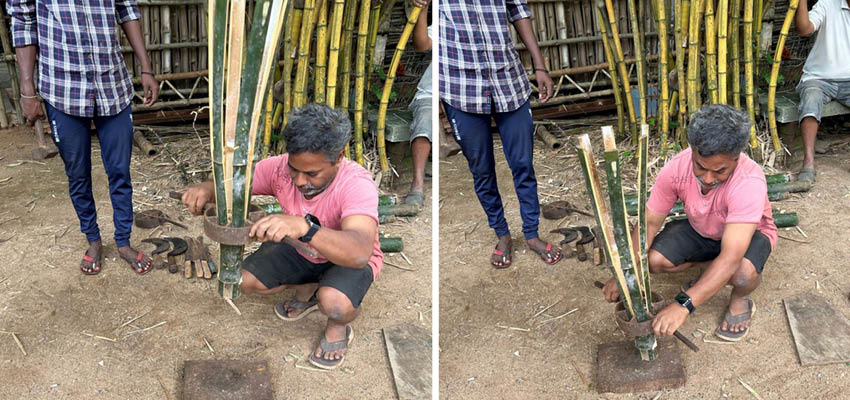
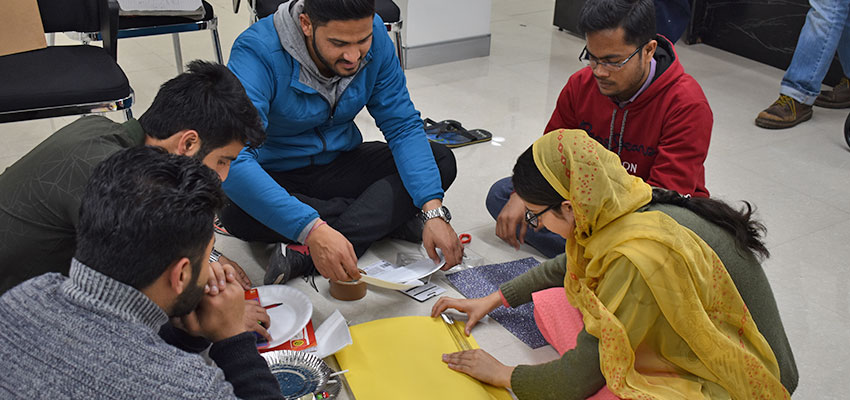
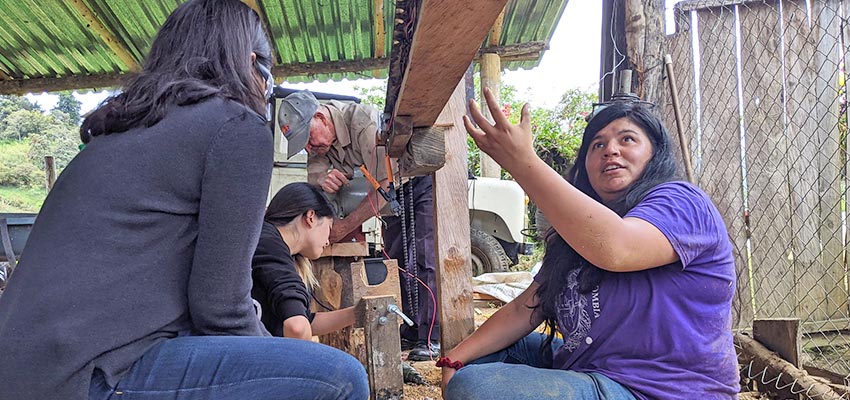
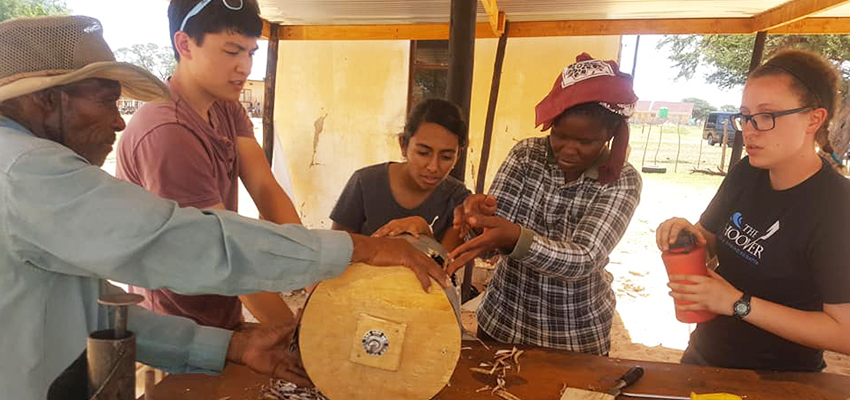
We will combine research with Creative Capacity Building (CCB). We will begin by conducting semi-structured in-depth interviews with informal waste workers and stakeholders to understand the barriers and enablers of effective zero-waste practices in Uttarakhand. The insights will shape our CCB workshop, where informal waste workers will practice problem framing and hands-on prototyping to build technologies that reflect their needs and priorities. While the technologies have not all been decided, we have narrowed our focus to a mechanical solid waste baler designed to compact dry waste, and a PET threader that turns discarded bottles into filament for crafts and small-scale manufacturing.
Next steps
After our team has completed the trip to India, another CCB Workshop will be conducted with the community in June to continue our work from January. Additionally, future D-Lab teams will continue to support projects or businesses that emerge from the CCB workshops, providing mentorship needed as they develop and mature. D-Lab may also work to set up and maintain a makerspace in the Uttarakhand area to foster and provide resources for waste innovation and education. Lastly, future teams should maintain strong relationships with project partners, including Royal Enfield, Waste Warriors, and UPES.
Contact
Libby Hsu, Lecturer; MIT D-Lab Associate Director of Academics