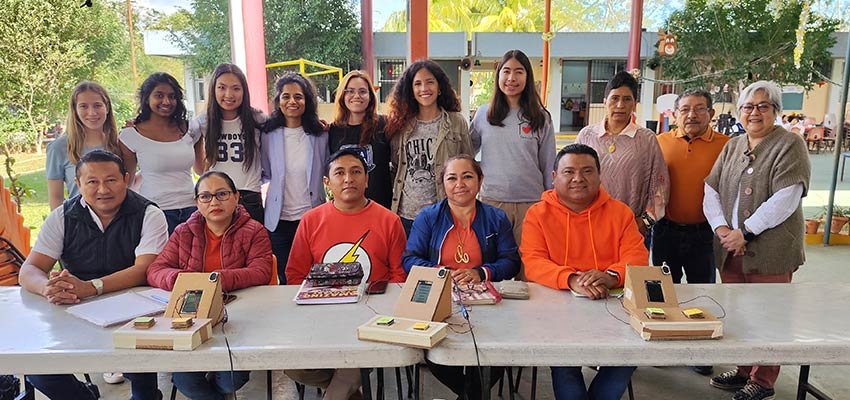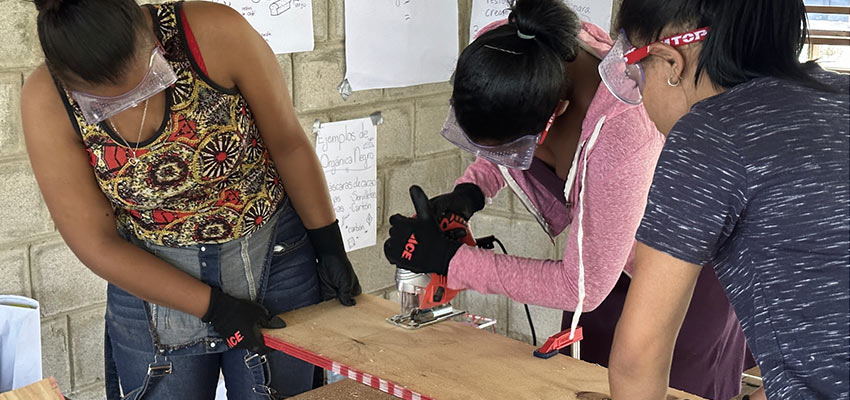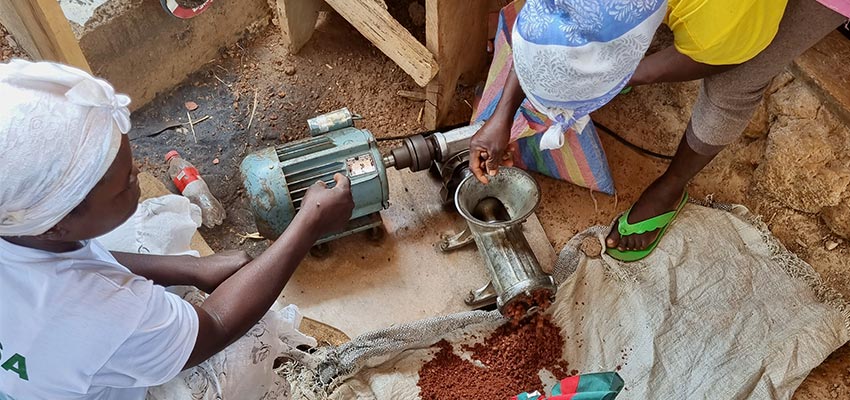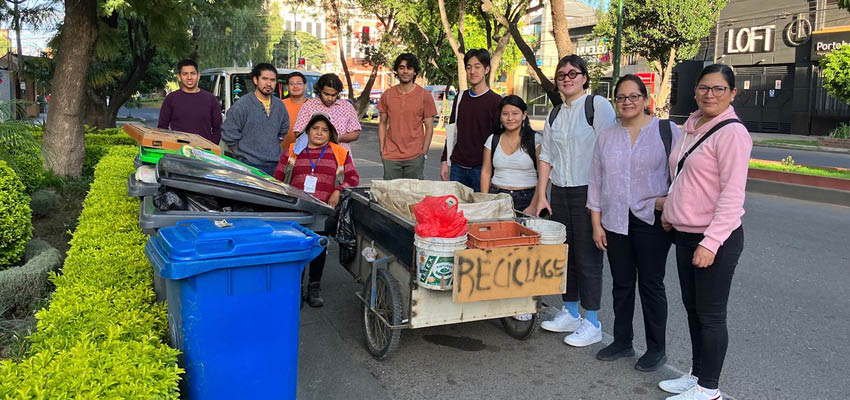

Designing a compact, low-cost, and durable switch-access interface that connects to Android tablets, enabling disabled students with limited motor control to access communication apps.
MIT D-Lab Class
D-Lab: Development - Fall 2025
Country
Mexico
Team
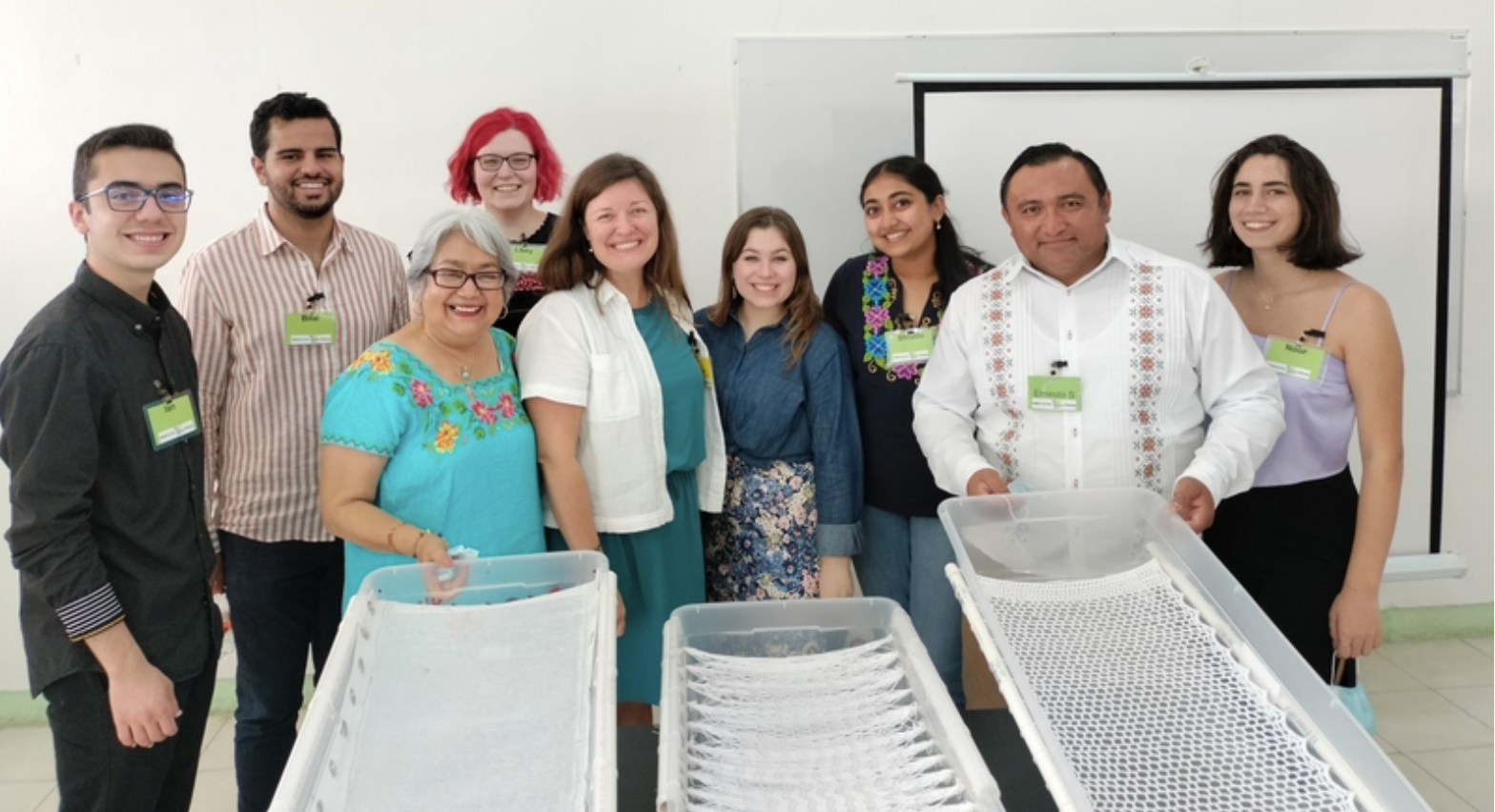
- Nupur Ballal, MIT ’27 Biology. Passionate about using data-driven solutions to expand healthcare access and improve the livelihoods of those with chronic diseases and disabilities.
- Ryan Espinoza, MIT ’27 Mechanical Engineering & Computer Science. Interested in controls and robotics with a passion for ideating and creating for low-income communities.
- Deeksha Kumaresh, MIT ’27 Biological Engineering. Passionate about bridging the gap between biomedical research and clinical translation in a manner that considers patient needs to improve medical accessibility.
- Ben Lanava, Harvard School of Public Health PhD. Interested in putting into practice community-engaged research and collaboration strategies to increase access to education for all students.
- Macy Lehrer, MIT ’27 Artificial Intelligence & Decision Making. Passionate about using a computer science background to improve access to technology for everyone.
- Amadeos Oyagata, Harvard Graduate School of Design MSP. Interested in creating systems and designing spaces through partnerships with community and public and private sectors.
- Nurilly Rania, Harvard Graduate School of Education EdM. Interested in creating offline-accessible and low-tech learning tools for underserved communities.
- Angelica Zhuang, MIT ’26 Architecture. Passionate about using design to build more inclusive spaces and innovative products.
- Eishna Ranganathan, Team Leader
Community partner
- Perkins International
- Angelica Fajardo, Education Coordinator at Perkins, https://www.perkins.org/team-member/angelica-bastarrachea-fajardo/
- Mary Psyhogeos, Program Analyst at Perkins, https://www.perkins.org/team-member/mary-psyhogeos/
- Maisa Ferreira Owens, Program Manager at Perkins
- El Centro de Atención Múltiple (CAM) número 6 de Calkiní
Problem/opportunity driving the project
This project, through a partnership between MIT D-Lab and Perkins International, seeks to address the public health issue of equitable access to education for students with physical and mental disabilities. More specifically, the project will involve the adaptive design process to address a specific need of the students that has been identified through ongoing discussions with teachers and caregivers of the students within the partnered community. The MIT D-Lab team will focus on creating an adaptable communication aid that can be used to interface with smartphones used in the community.
Cultural context
Physical and mental disabilities, especially those limiting communication abilities, constitute the leading factor in why a child in Mexico has been kept out of school, and the 2020 Population and Housing Census determined that 4.9% of all Mexican citizens have one or more disabilities. Within the Mexican Yucatan peninsula, the partner community is located in a rural, primarily indigenous, and lower-income part of the state of Campeche. As a result, this device would ideally be created with affordable, available materials to allow for reproducibility.
Theory of change
The D-Lab Mexico team seeks to create a technological interface that can be used with phones, tablets, and computers to allow students with disabilities to engage with devices, improving their classroom experience. Metrics of success for us include: 1) students with varying disabilities are able to use the device with little to no difficulty; 2) teachers are able to incorporate device use into their curricula; and 3) students are able to participate in larger group activities and individually learn material through the use of the device with ease.
Proposed solution
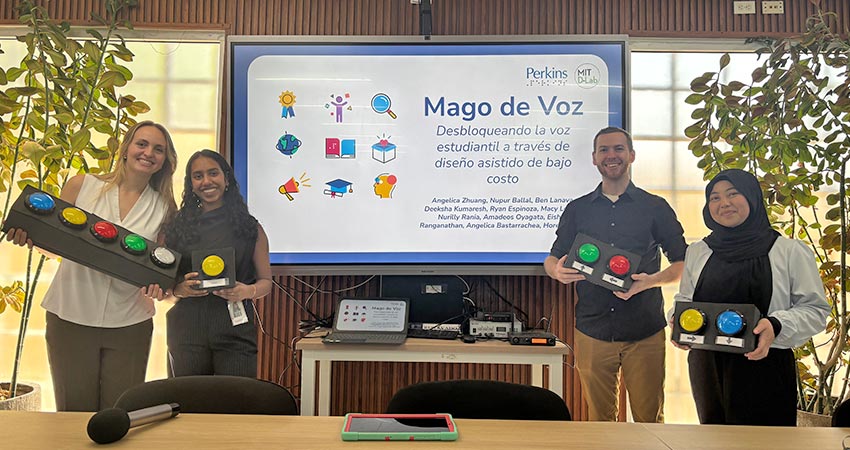
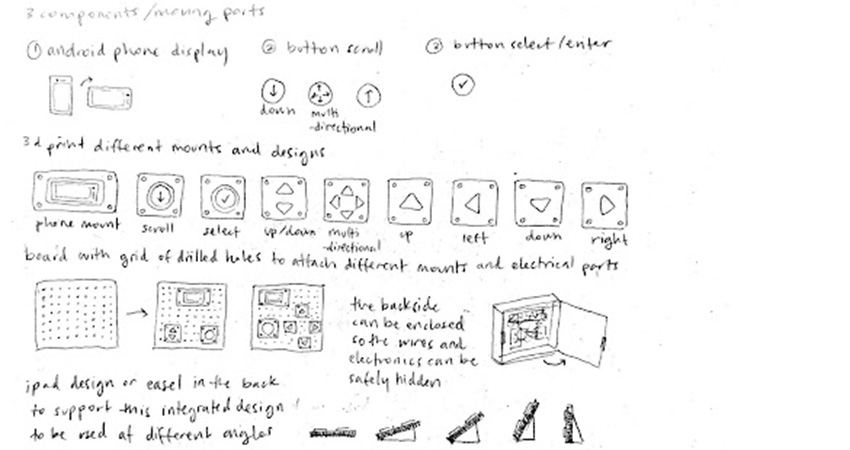
We plan to develop an affordable, adaptive switch interface designed to help children with disabilities in Mexico access AAC (Augmentative and Alternative Communication) apps on Android tablets and Windows computers. The device would allow a child to control communication apps using two large external buttons: one for scanning through options and one for selecting a desired symbol or phrase. Our solution combines an Arduino switch board with the physical buttons to create one unified interface that plugs into the Android device via USB (universal serial bus, technology for connecting devices to a computer). This allows the device to function analogously to a simple keyboard and can be physically adjusted to accommodate the needs of each student. We also plan on increasing durability, for example ,via shrink tubing for the wiring and cardboard for the interface, to ensure the child’s safety while keeping the device low-cost.
Next steps
Through our continued communication with local partners and teachers, we have co-designed an interface device composed of buttons that enable selection and scrolling features on Samsung smartphones. In the upcoming weeks, we will be building a prototype of this device, including assembling the hardware and building the software. On the trip, we will be getting students’ feedback on the usability of the device and iteratively making modifications to better suit student needs.
Contact
Libby Hsu, Lecturer; MIT D-Lab Associate Director of Academics