

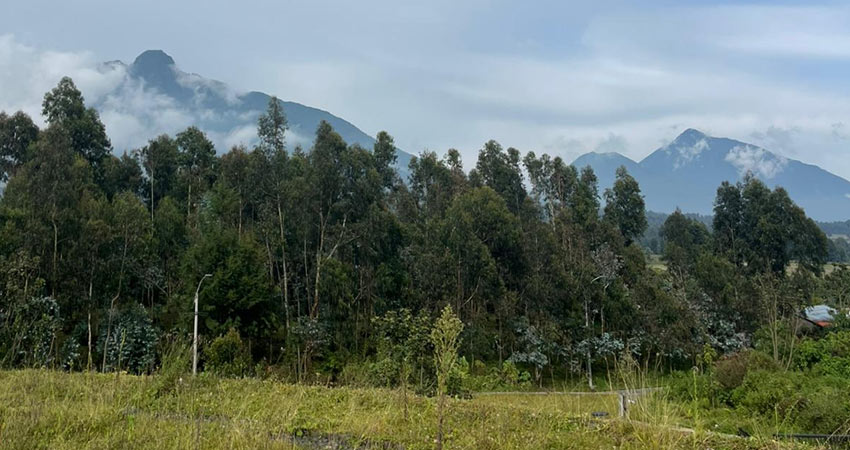
We were a team of six Fall 2025 D-Lab: Gender and Development students from across MIT, MIT Sloan School of Management, and Harvard Kennedy School. We traveled to Rwanda in January over MIT's Independent Activities period (IAP) for one week to work on two separate projects: women’s entrepreneurship and hands-on, inquiry-based science education for Rwandan primary teachers.
Women’s entrepreneurship
The first part of our time in Rwanda involved working with local nonprofits, women-led organizations, and small businesses to better understand the shifts in women’s entrepreneurship patterns and how these changes are shaping women’s economic opportunities and ability to thrive. Two members of our team focused deeply on this work, and we learned an incredible amount through the process.
Our biggest takeaway was that there are so many remarkable organizations and women on the ground doing the everyday work of building a more equitable Rwanda. Their work is truly life-changing and deeply rooted in community-based practices that center women’s rights, dignity, and well-being. A particularly important part of this work was identifying where stronger connections could be built and, when relevant, introducing organizations to stakeholders across government, industry, and local women-led initiatives who could help advance shared goals.
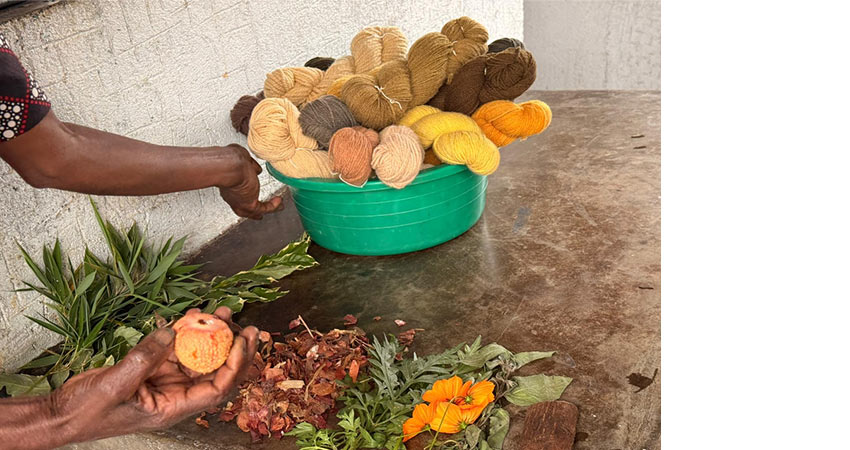
As Nyamata continues to expand into a larger city, it became even more evident how intentionally these organizations collaborate to ensure that no one is left behind in this transition. This only becomes more important as conversations with industry partners continue to surface persistent disparities in access, opportunity, and representation. Moving forward, it is critical to create safe and intentional pathways that connect government partners, industry leaders, local women, and community organizations so that every stakeholder is meaningfully engaged in shaping this transition. The strength of this work lies not only in identifying inequities, but in building cross-sector partnerships that allow growth to happen in ways that are inclusive, locally grounded, and responsive to women’s lived realities.
For our team, one of the most impactful parts of the trip was seeing firsthand how this ecosystem of support is not only responding to change, but actively shaping a future grounded in inclusion and collective care.
Hands-on, inquiry-based primary science education
The second portion of our project focused on Rwanda’s education system. During the semester, we studied how to expand hands-on, inquiry-based science education in primary schools. We worked very closely with the California Science Center (CSC), both during the semester and in January, to learn about the value of a hands-on teaching pedagogy and get up to speed on the work that had already been completed with the Rwandan Ministry of Education and the Rwandan Education Board. Over several years, they had trained hundreds of teachers, but implementation of these strategies in the classrooms post-trainings was limited.
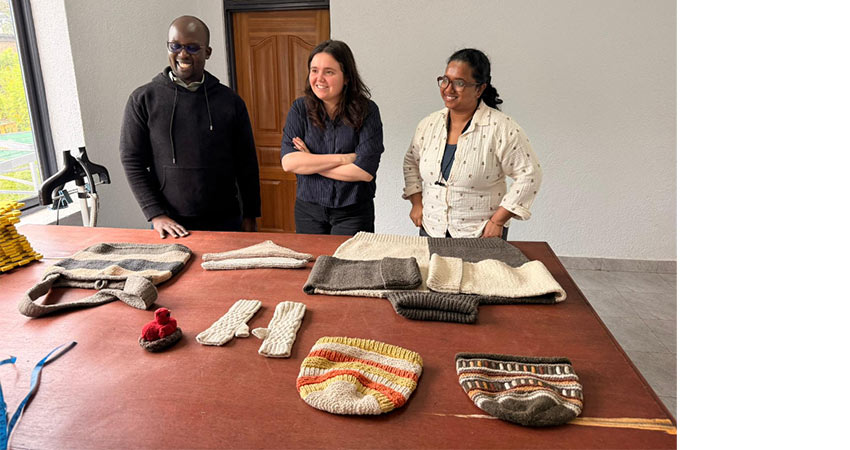
Heading into Rwanda in January, we had dual goals of giving workshop attendees the skills to implement hands-on teaching, and understanding what the barriers were to its implementation. To explore these questions from all perspectives, we held a day-long symposium with education leaders in Rwanda and ran a modified version of the CSC’s three-day teacher training workshops.
Our workshops with teacher training college tutors were particularly valuable. These tutors sit at a critical juncture in the system: they train the next generation of teachers. Together, we worked to identify barriers and co-develop ideas for what an “ideal” Rwandan science classroom could look like. The issue with implementation was not lack of buy-in. Teachers and students overwhelmingly believed in the value of hands-on learning. Instead, the challenges were structural: the resources available in the classroom, the high student to teacher ratio, and very tight schedules (40-minute periods) that did not allow enough time for instruction/demonstration AND experimentation. A recurring theme was the need to move from theory to practice—less emphasis on why hands-on learning matters, and more on exactly how to implement it in constrained environments. In the end, we had a list of recommendations for structural changes the Rwandan Basic Education Board could implement to improve implementation long-term.
More information
MIT D-Lab class: D-Lab: Gender and Development
Contact
Sally Haslanger, D-Lab: Gender and Development Co-Instructor